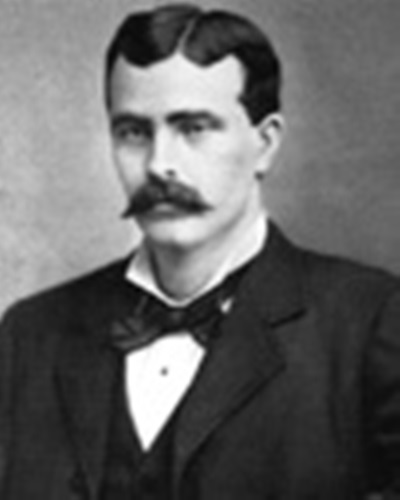
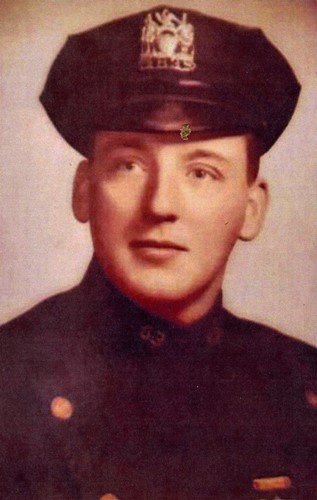
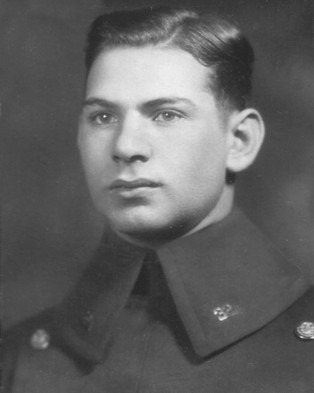
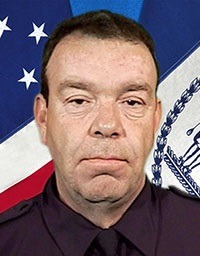
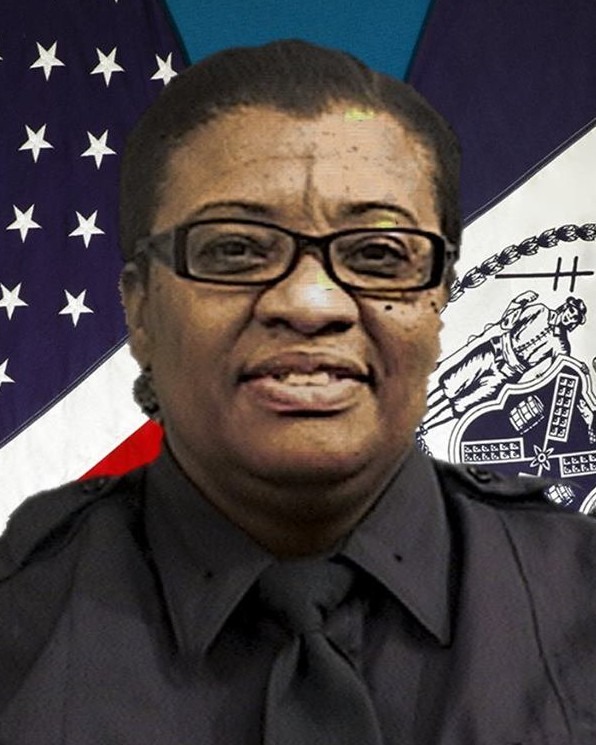
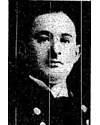
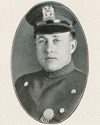
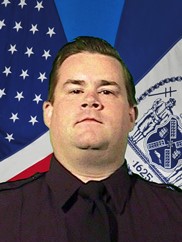
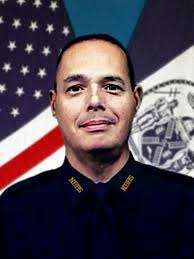
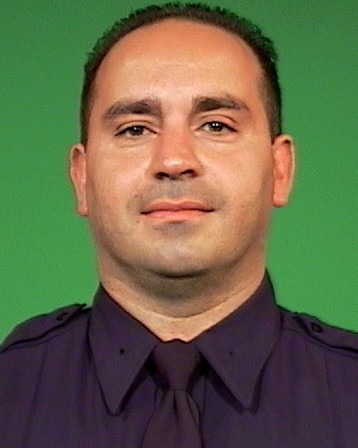
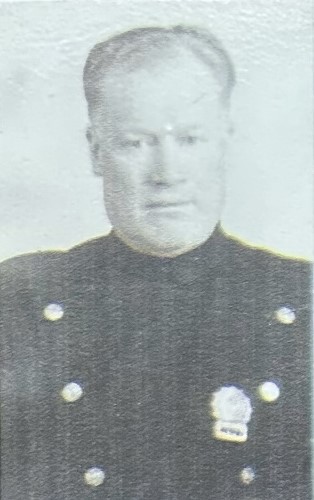
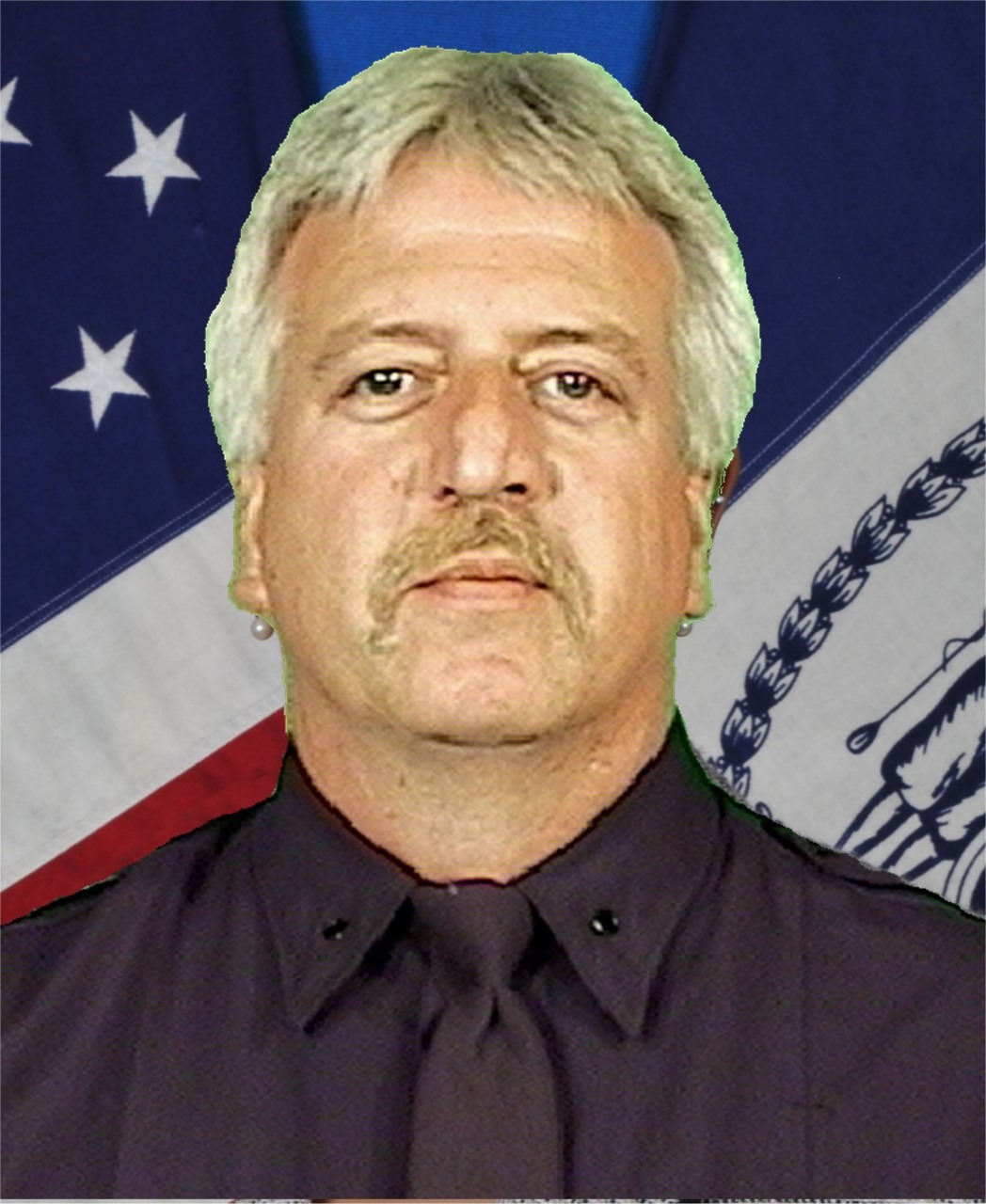
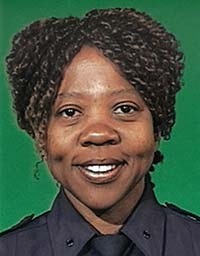
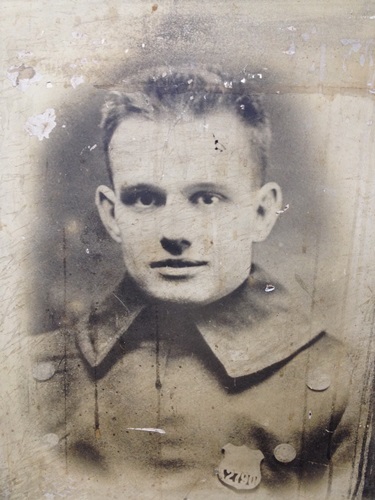
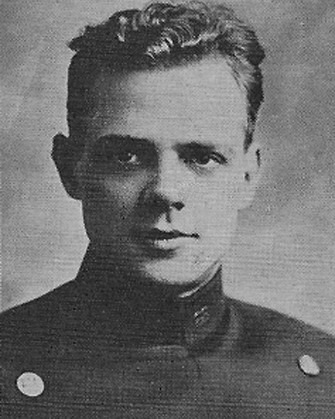
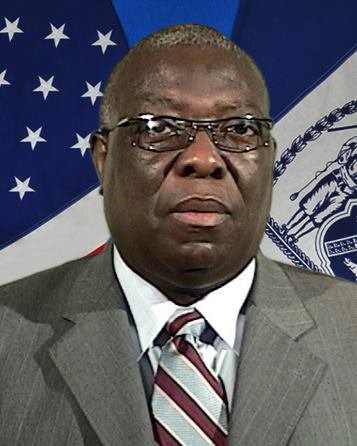
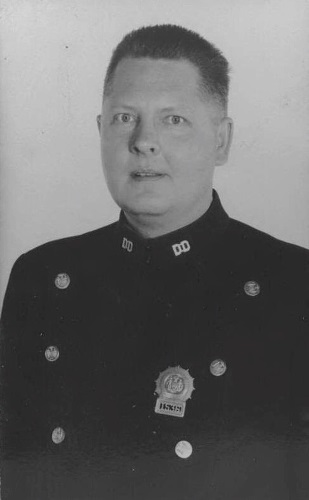
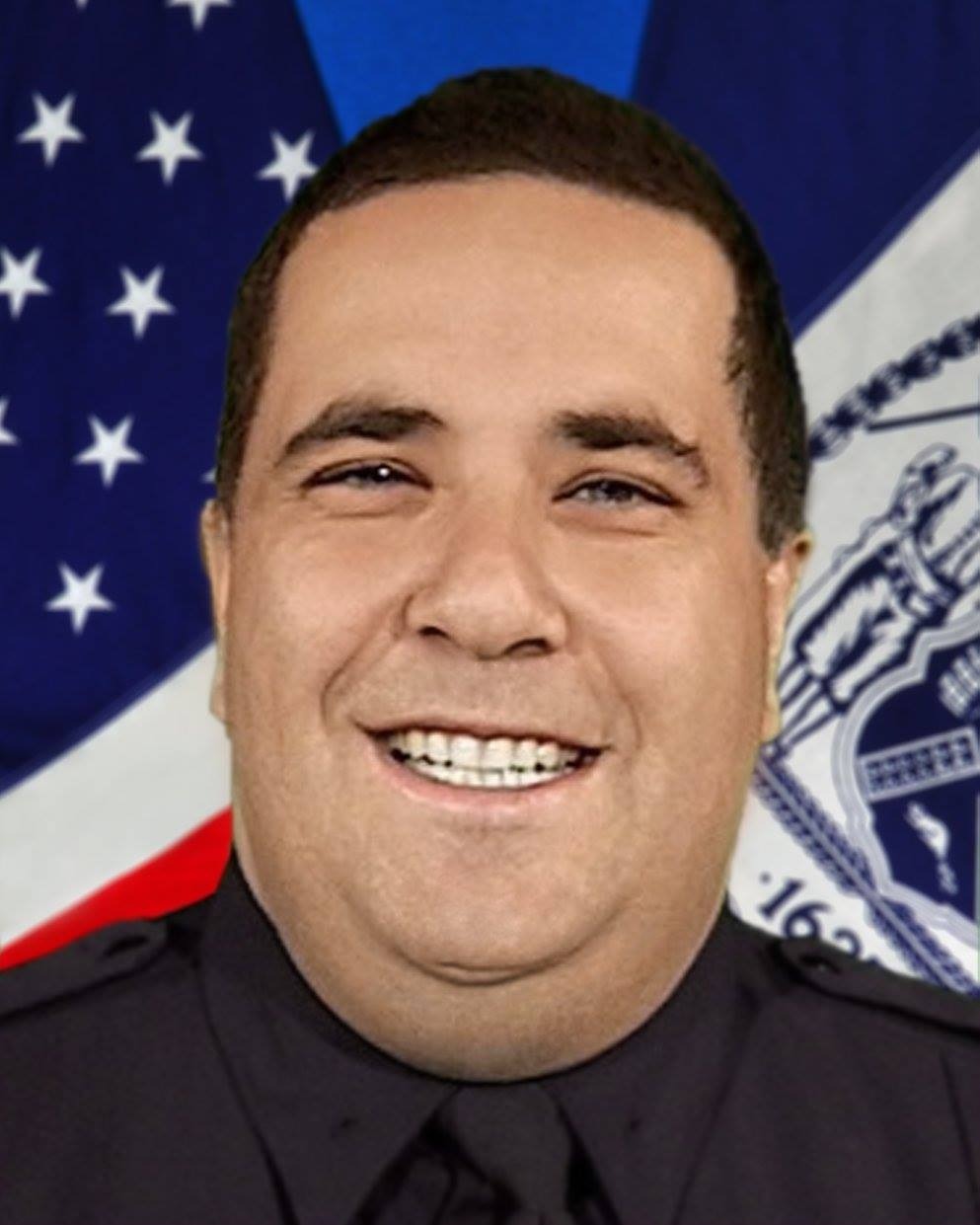
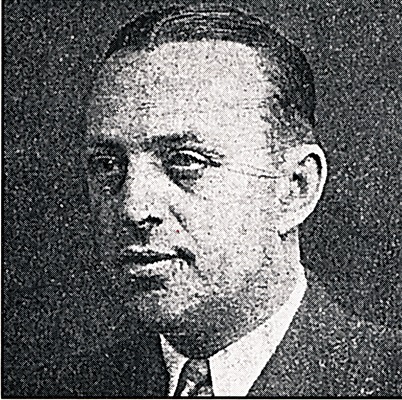
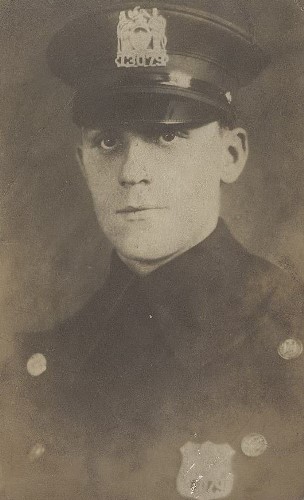
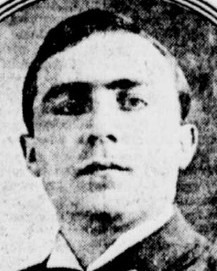
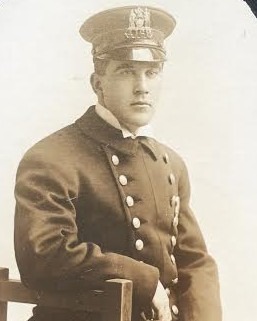
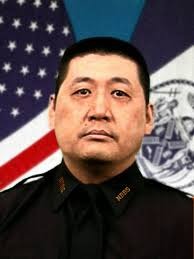
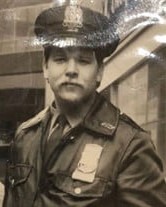
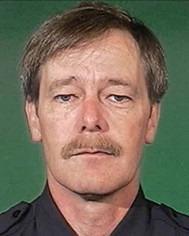
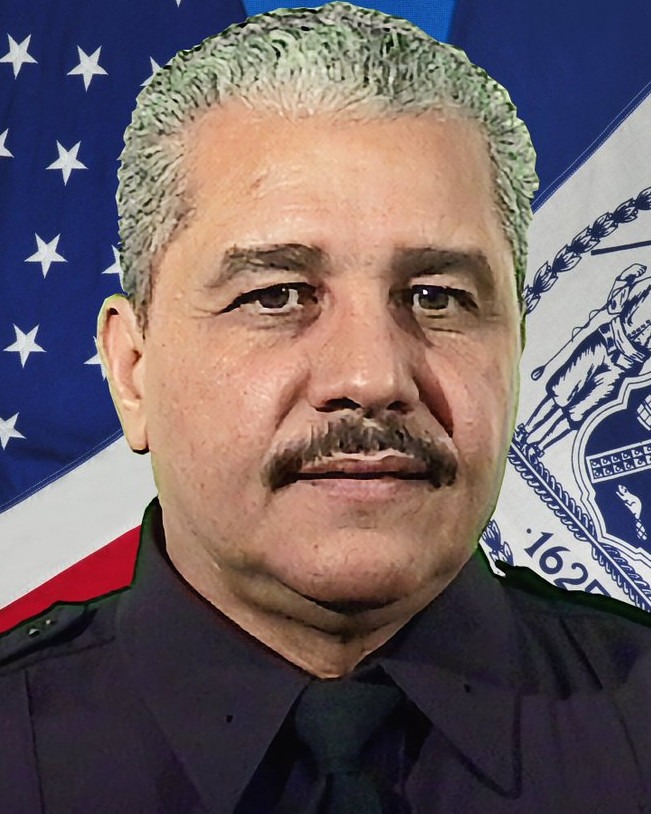
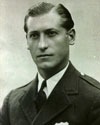
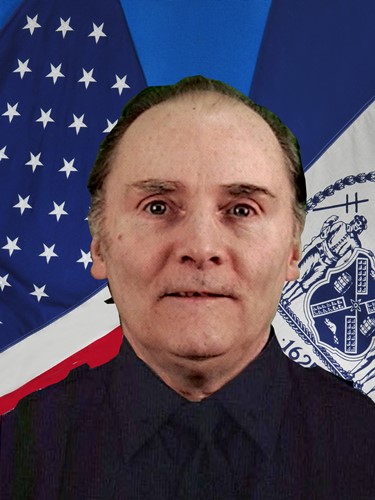
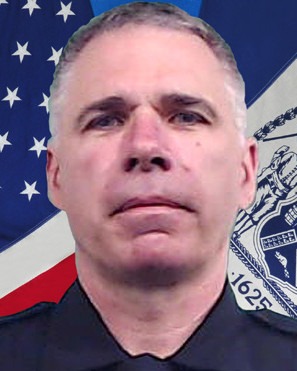
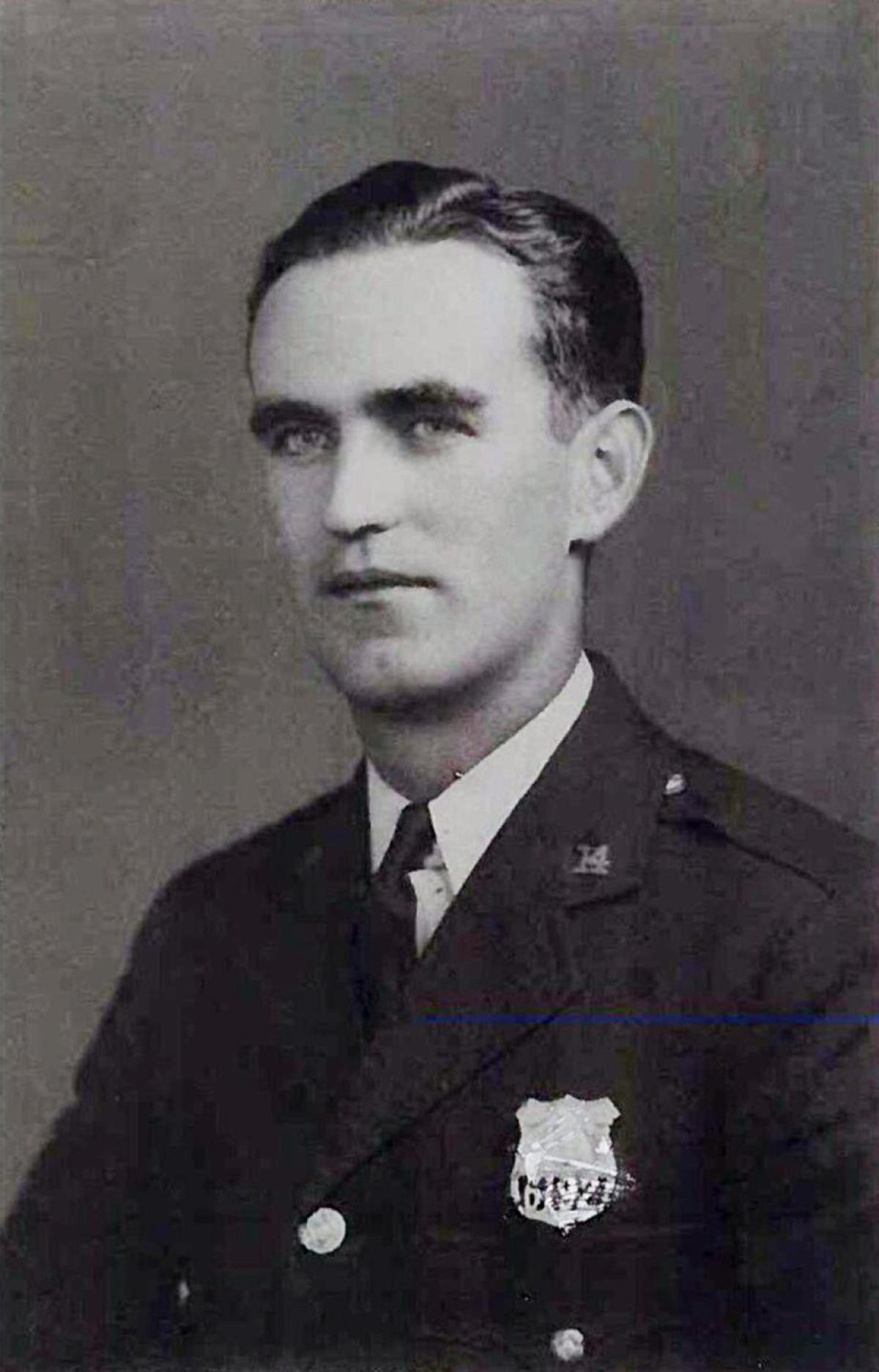
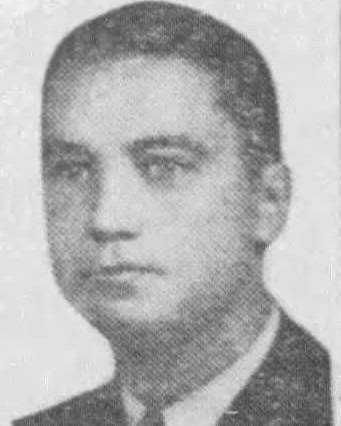
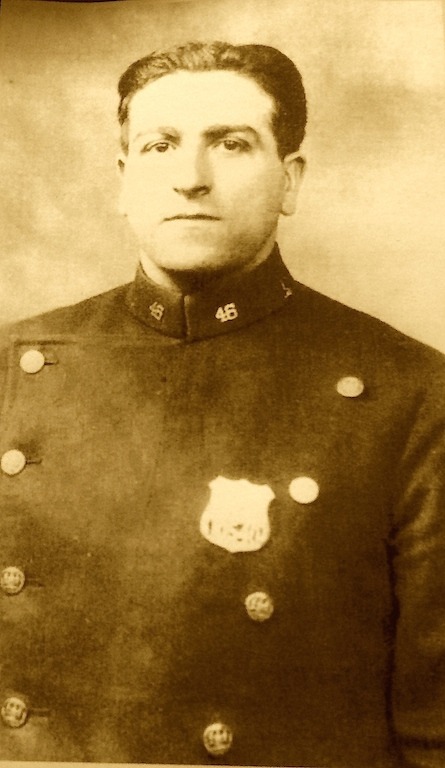
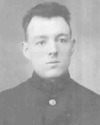
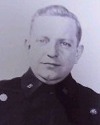
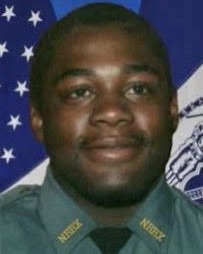
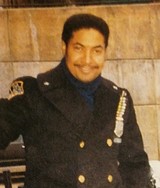
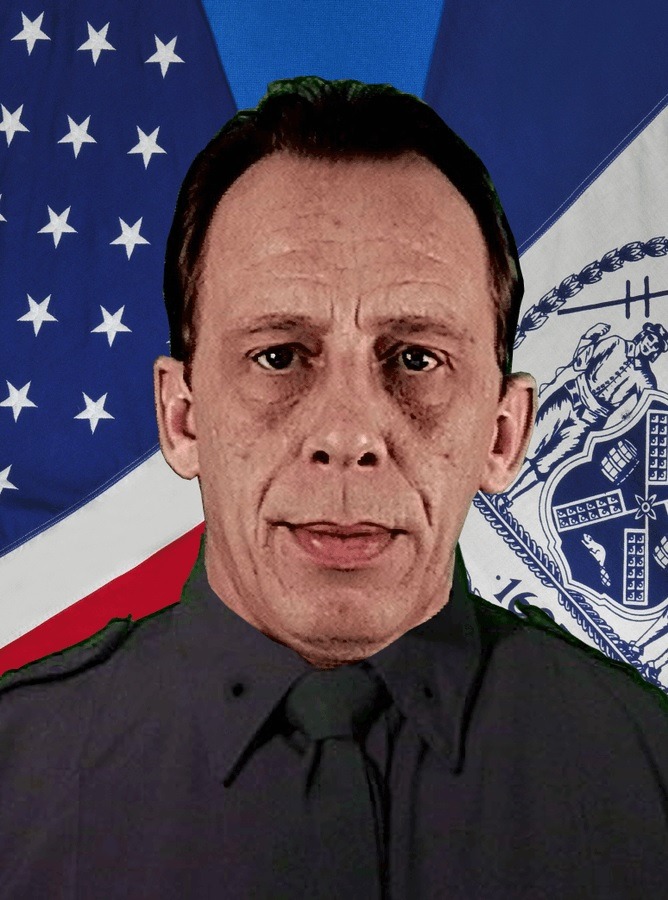
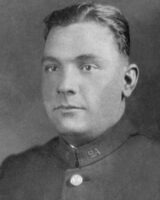
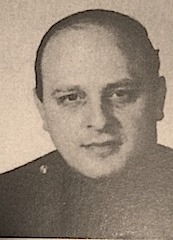
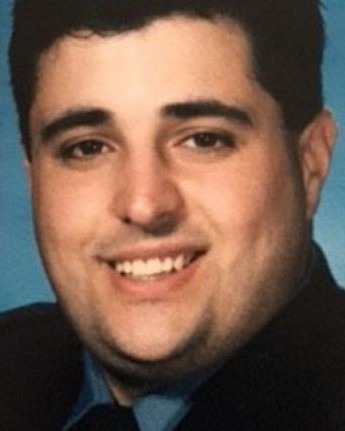
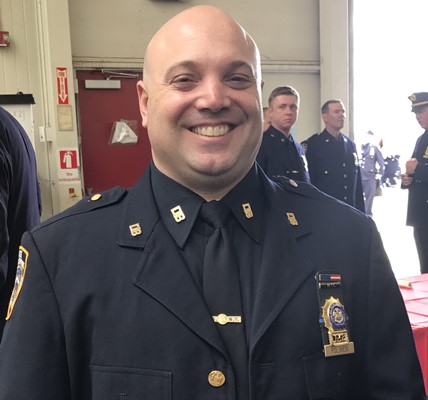
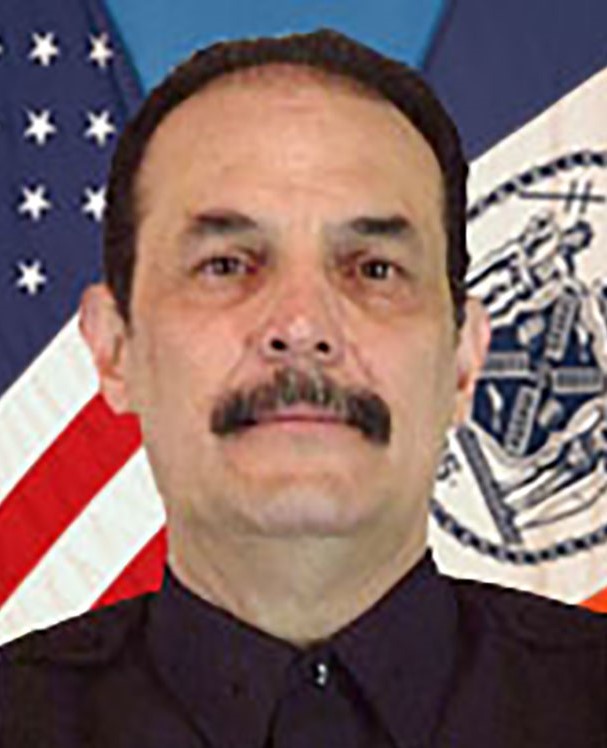
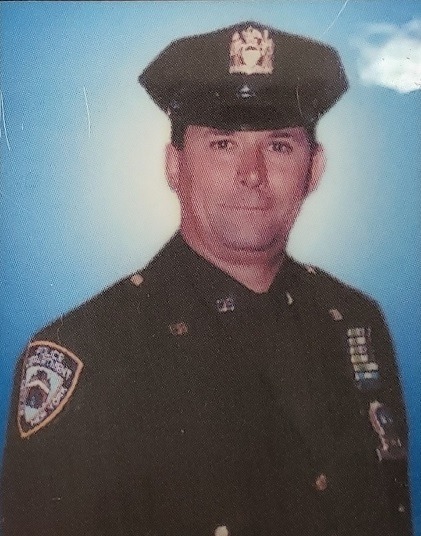
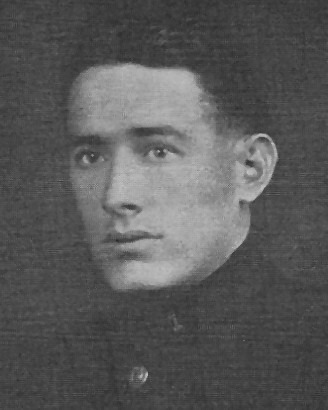
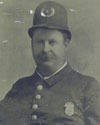
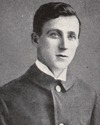
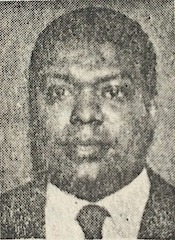
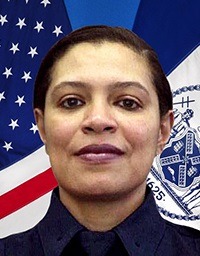
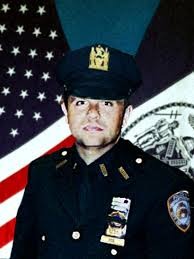
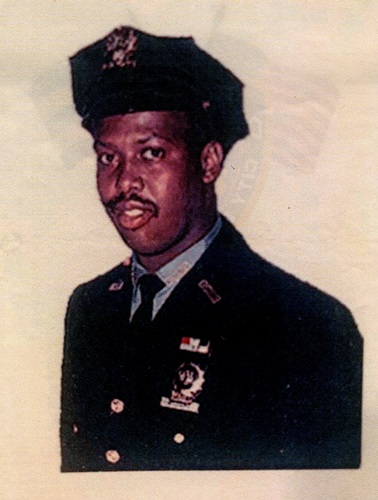
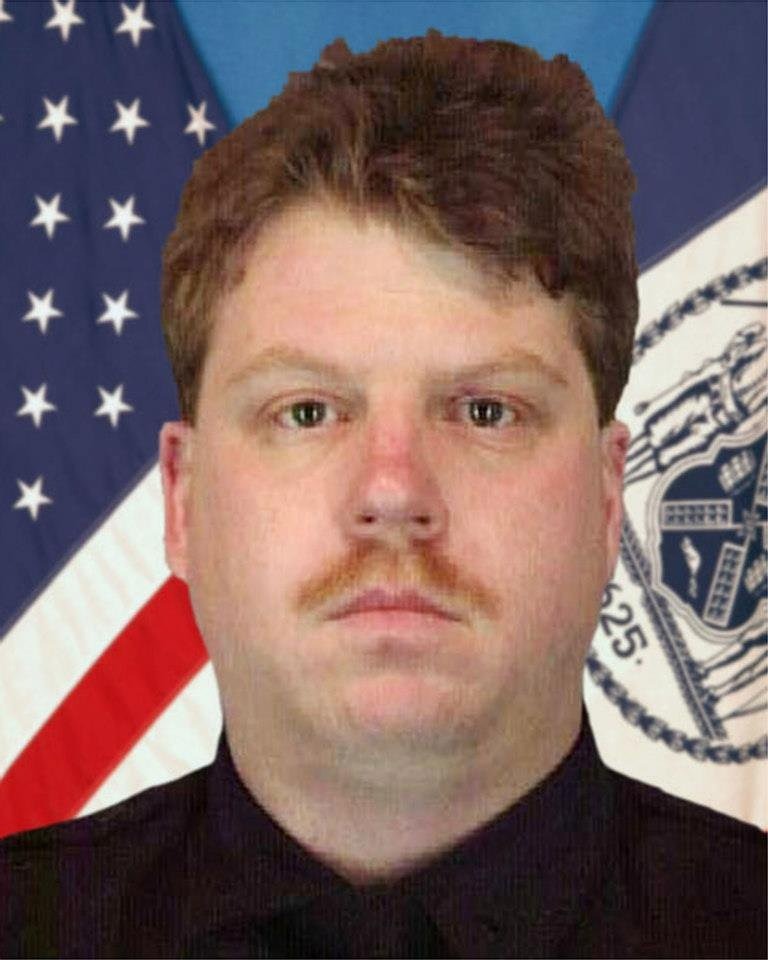
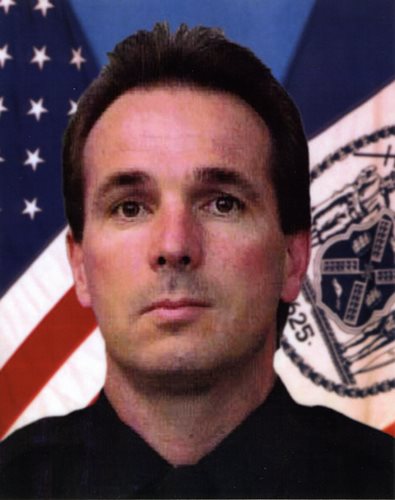
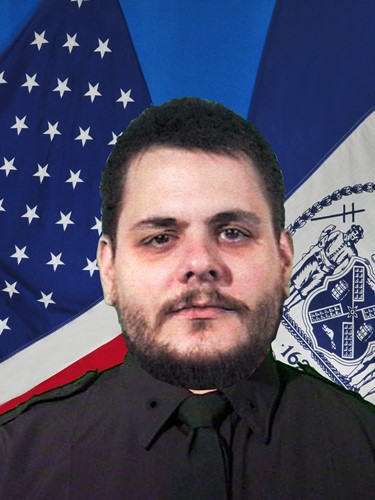
Sometime after 11:00 p.m. on the evening of December 18, 1881, 28-year-old Det. Thomas Norton of the Eldridge Street Squad of the 10th Precinct was summoned to a commotion in the back of 44 Delancey Street, the location of Pearson’s Saloon. The building was described as “an abominable place,” where a woman named Josephine Milburn, also known as “Big Blanche,” lived with her lover John Kennedy, a baker. Kennedy and Milburn had an argument and Kennedy claimed he was going to get a shave, but when he returned he was accompanied by a thug named Bernard Fitzpatrick, who claimed to be Police Officer. A woman named Mary Ann Degnan testified that the men were bullying Big Blanche, and witnesses said Degnan cried out “Murder!” When Norton showed up to investigate and went up into Big Blanche’s residence, all three principal parties were reluctant to talk, but Norton had already been told that Fitzpatrick presented himself as a cop, although he was not in any uniform. When Norton asked Fitzpatrick to show him his shield, Fitzpatrick got impudent. Norton told both men to leave the premises, and when they did, they were joined in the alleyway by several other men and women, some known to the police. Norton and Fitzpatrick got into a verbal dispute, followed by a physical fight. Fitzpatrick later claimed that Norton hit him first, which prompted Fitzpatrick’s fellow thugs to attack Norton. Witnesses claimed that the fight went on for several minutes and spilled out into the middle of the street, until Fitzpatrick opened fire and shot Norton. Despite being hit, Norton was still able to catch ahold of Fitzpatrick, and after another few minutes of struggle, Fitzpatrick broke free to flee, and Norton crumbled to the lamppost and curb. The three principal perps — John Kennedy, Bernard Fitzpatrick, and a miscreant named Frank McCormick — fled the scene. Two good Samaritans tried to stop Norton’s bleeding and carried the Detective to the police precinct. He was transported to the Chambers Street Hospital. On the following day, December 19th, Norton died. He was slated to be married the following week to the daughter of a well-to-do farmer in Sullivan County. He was buried on the property owned by his fiancée’s family. Det. Norton was appointed to the police force on November 18, 1879, and was referred to as “an esteemed, valuable Officer.” He was attached to the Eldridge Street Squad at 87 Eldridge Street on the lower east side of Manhattan. He had previously served as a patrolman in the Sixth Precinct at 9 Franklin Street. He was survived by his mother, sister, and brother. Milburn and others were pegged as witnesses to the shooting. By 2:00 a.m. on December 19th, McCormick had been arrested, but Kennedy and Fitzpatrick were still at large. Bernard F. Fitzpatrick was the son of a recently elected City Alderman from the Fourth District, and he was, indeed, a Police Officer. It was reported he was a hot-head “of bad character” and had trouble holding a job, although his father managed to get him on the police force, which he joined August 19, 1881. He was assigned to the Fourth Precinct. Police brass claimed it was only after he shot Det. Norton did they hear of Fitzpatrick’s record of repeated bad behavior. By 6:30 a.m. December 19th, Kennedy was also arrested. McCormick and Kennedy were held as accessories, and Milburn, and another resident of Delancey Street, Annie Harris, were sent to the House of Detention. By January 1, 1882, Fitzpatrick had turned himself in and formally resigned from the Police Department. He was indicted for murder in the first degree. He was tried in front of Judge Gildersleeve in Part I of the Court of General Sessions. During his trial, the courtroom was reportedly packed with “politicians, Police Officers, and chronic sensation-seekers.” The defense argued justifiable homicide. The prosecution buckled, most likely to political pressure, and changed the charge to murder in the second degree, claiming they could not vouch for pre-meditation. However, the State argued it was murder none-the-less. The jury finally concluded with a much lower charge of manslaughter in the third degree, to the disgust of the colleagues of Norton. The Judge sentenced Fitzpatrick to the maximum sentenced allowed by law: four years hard labor in the State penitentiary. In 2023, on the Officer Down Memorial website, a grandniece eulogized Norton as, “the son of Irish immigrants who settled in Stevensville, Sullivan County, NY.” She wrote, “His murder took a huge toll on the Norton family and created a huge void in their lives. The love they had for their dear Tom has transcended through generations. A large portrait of him has been passed down, along with his story so that we will never forget this man who gave his all.” While Norton is often listed as a patrolman, he was recognized by police historian, retired Sgt. Michael Bosak, to have been designated Detective once he was attached to the Eldridge Street Squad. Read more about Det. Norton on the DEA website.
Thomas J. Norton