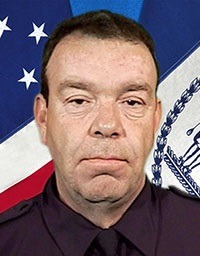
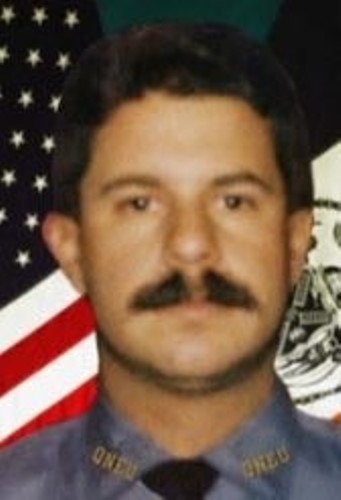
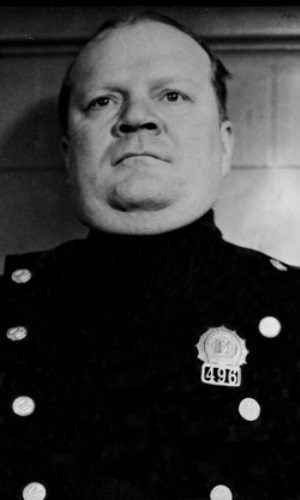
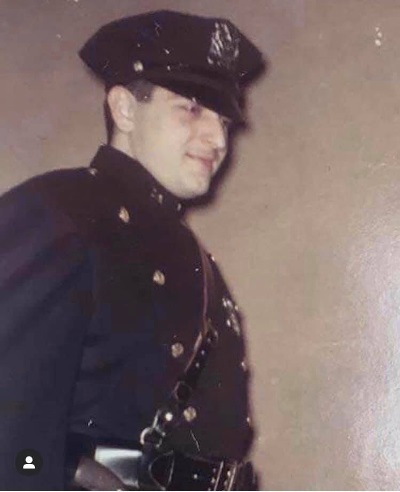
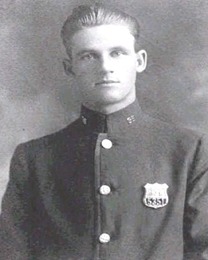
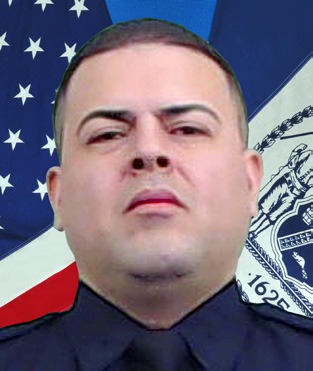
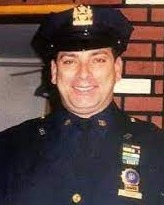
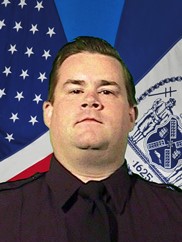
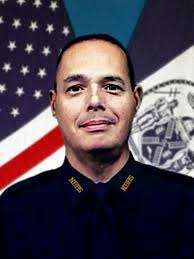
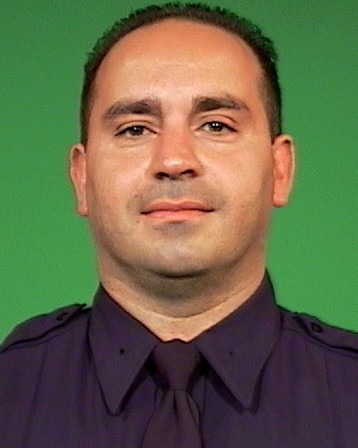
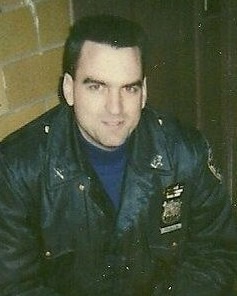
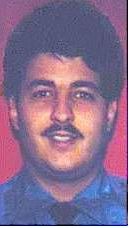
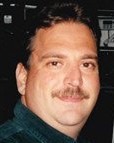
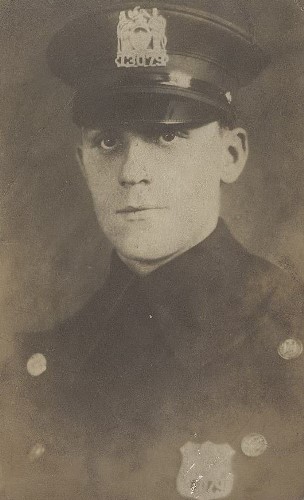
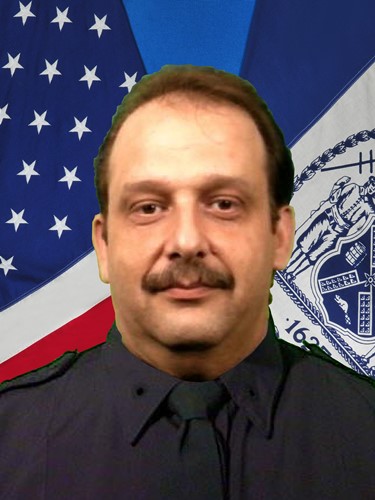
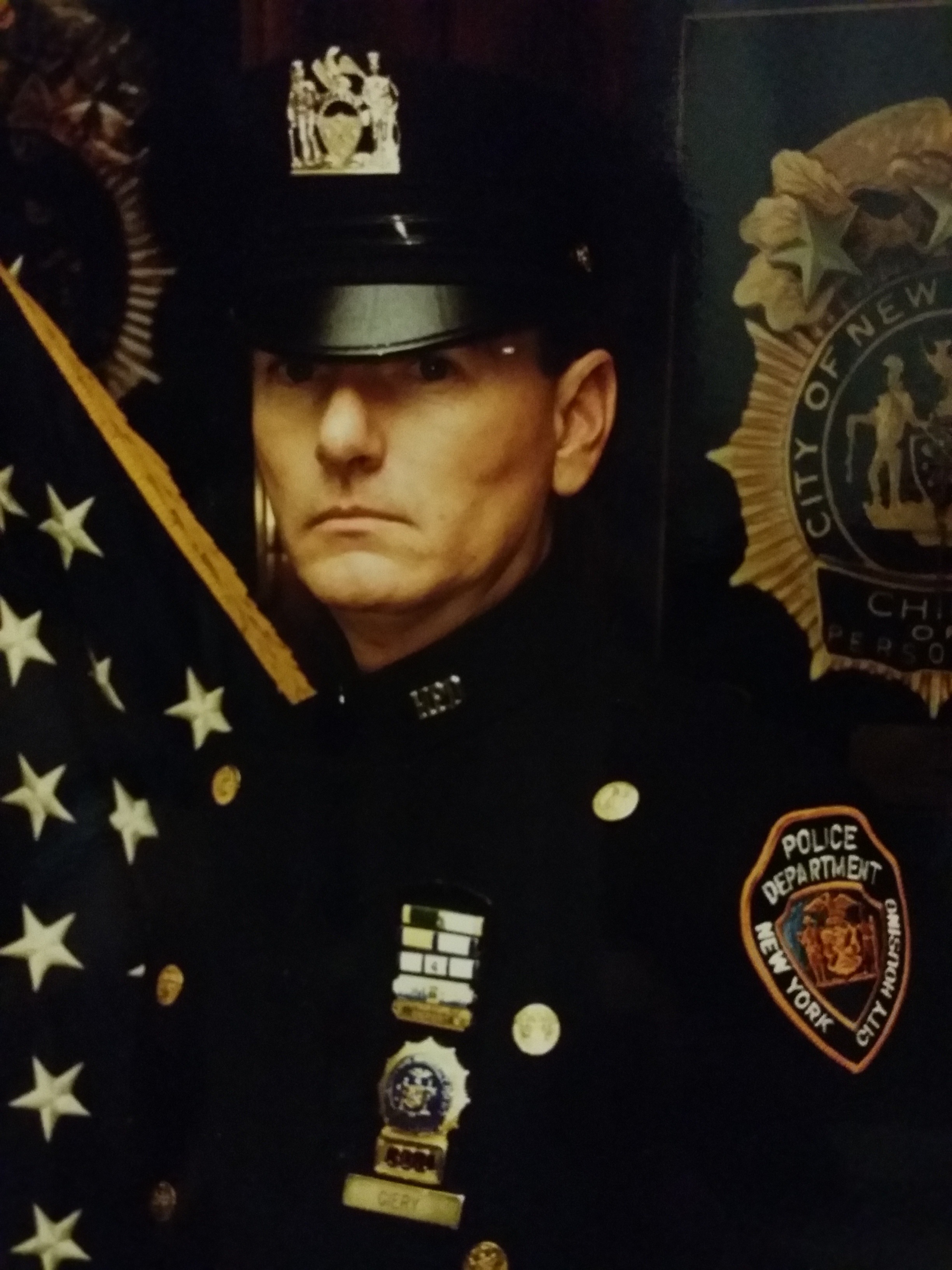
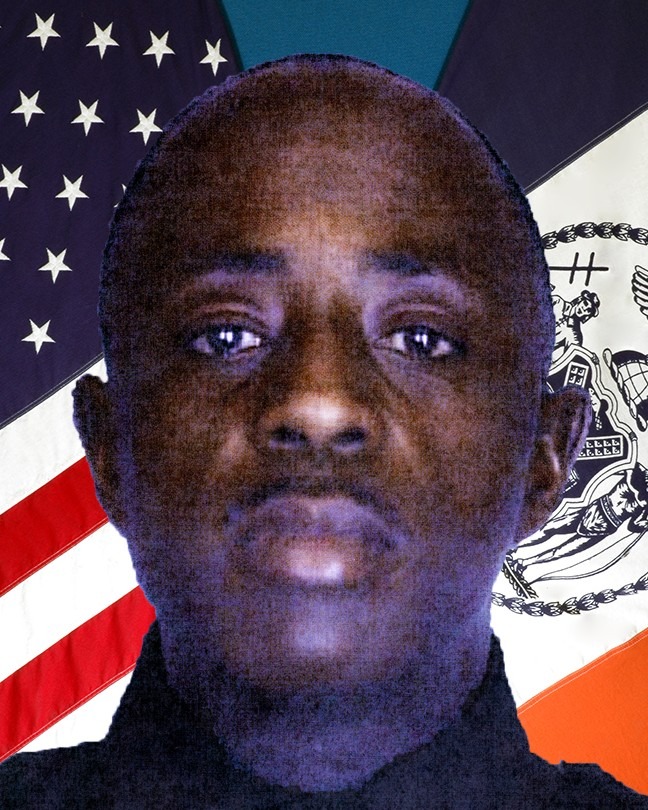
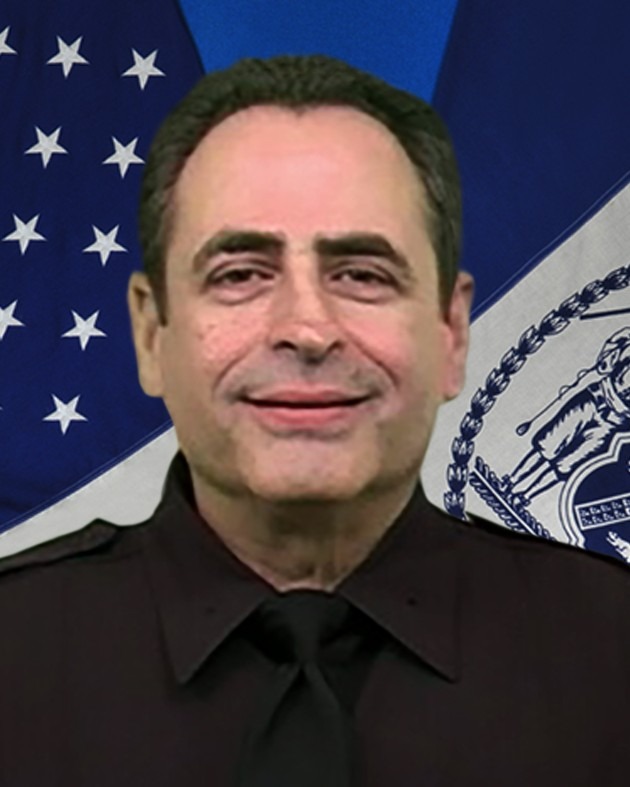
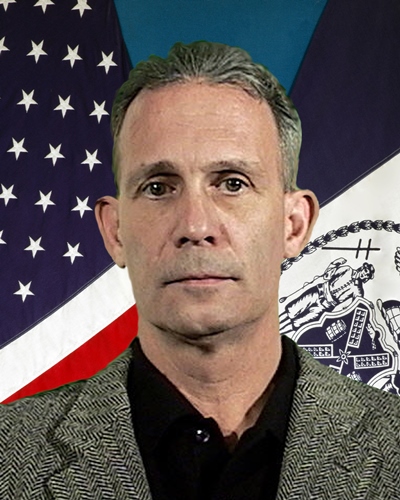
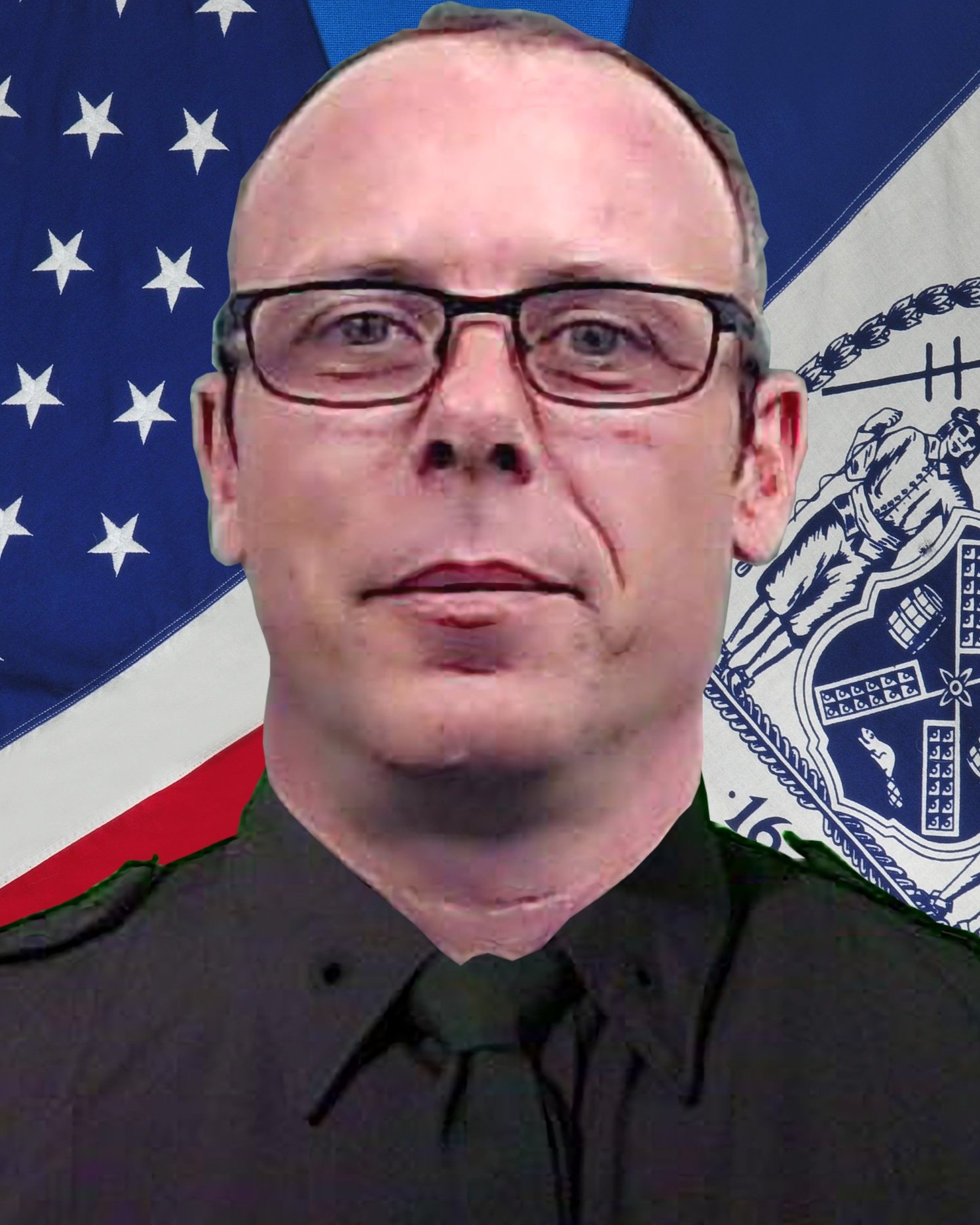
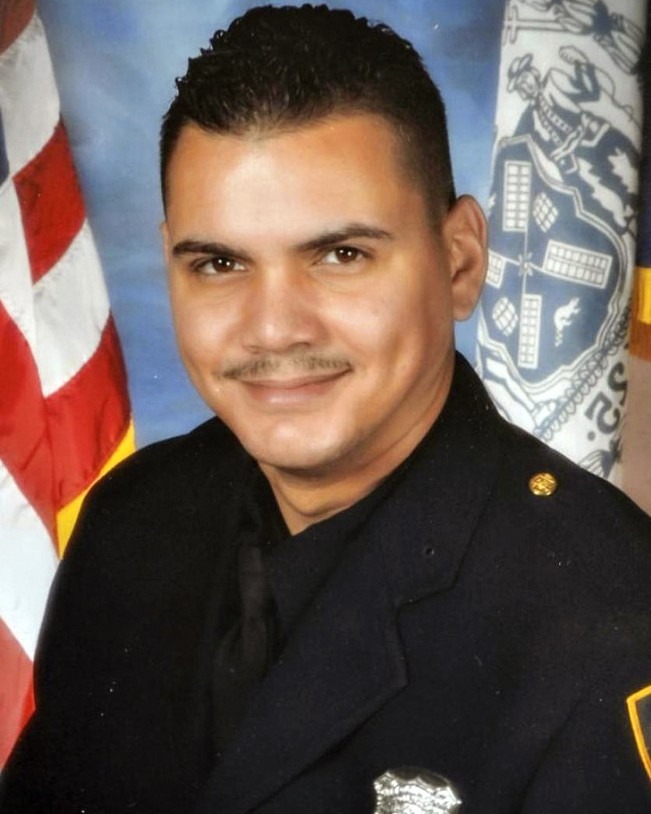
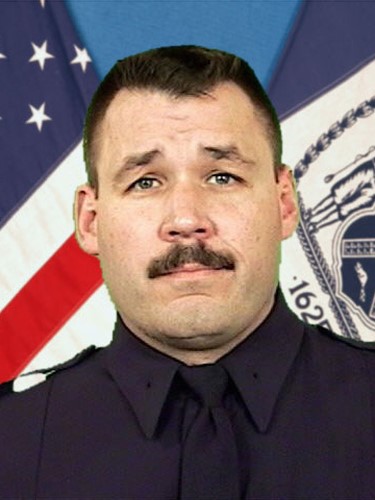
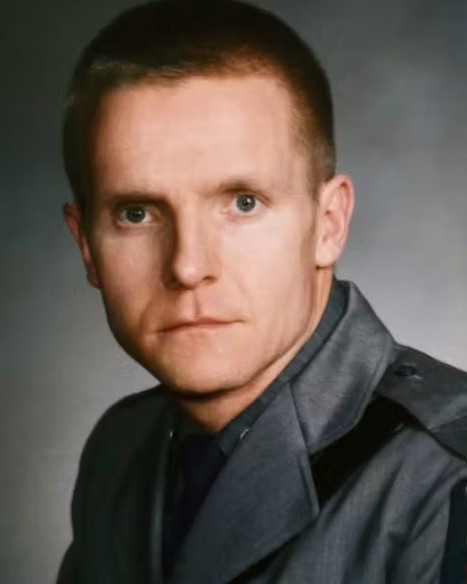
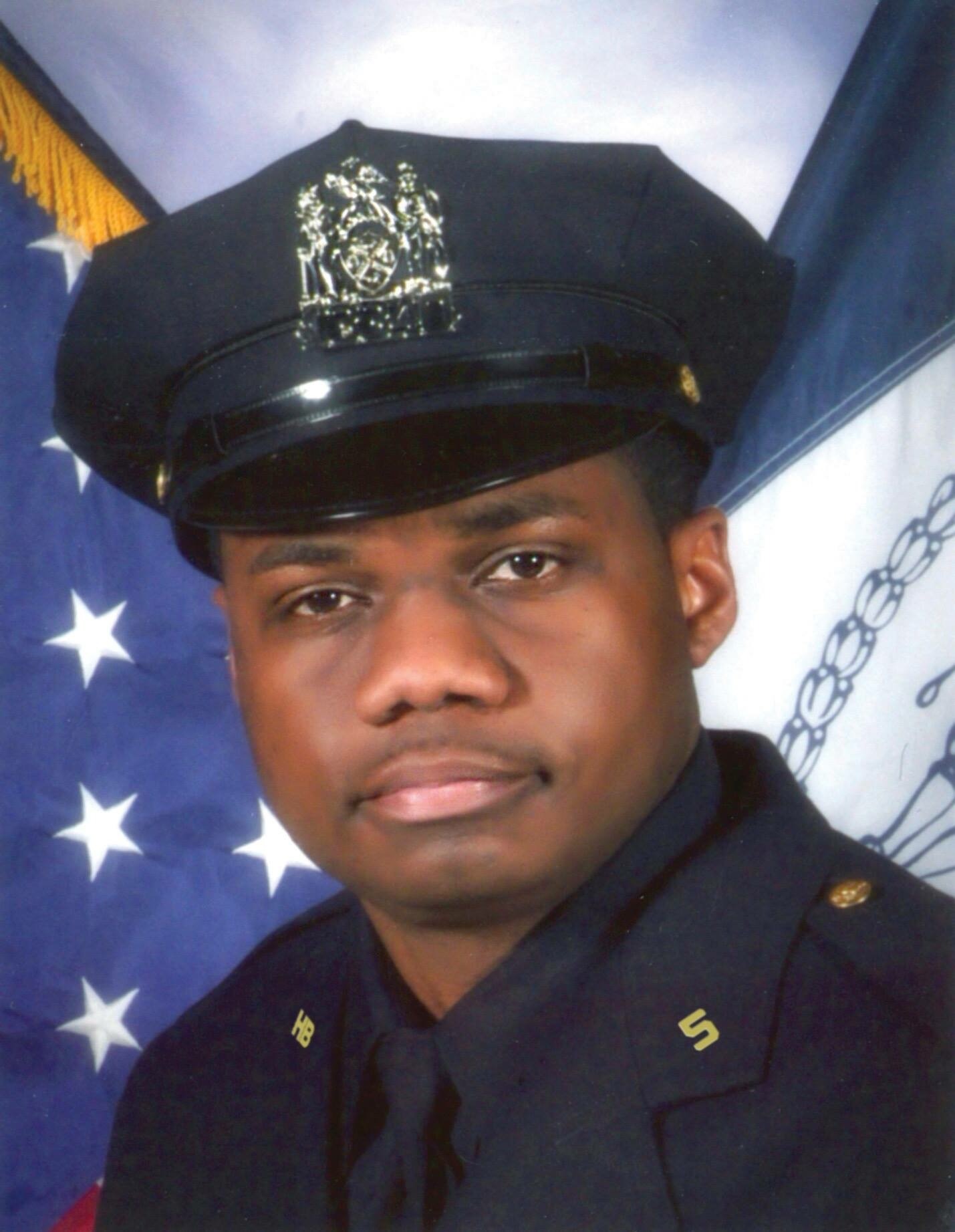
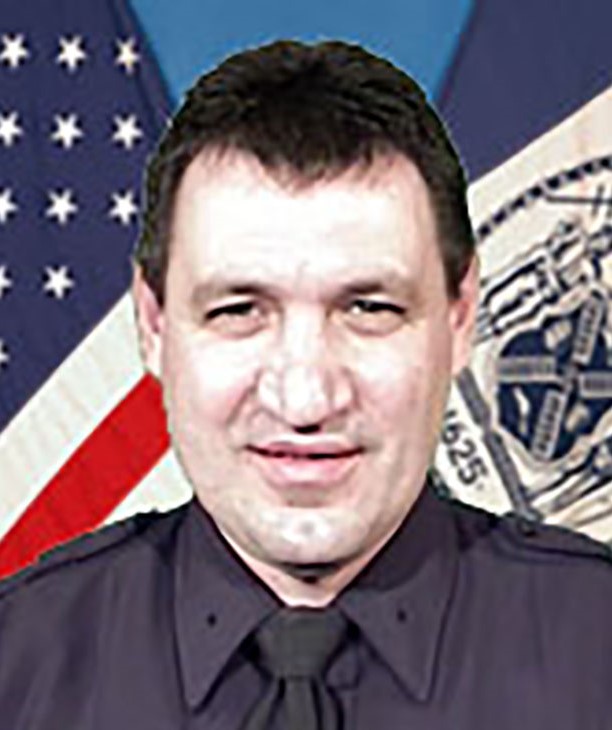
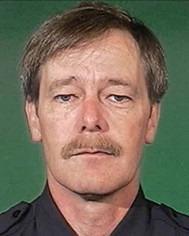
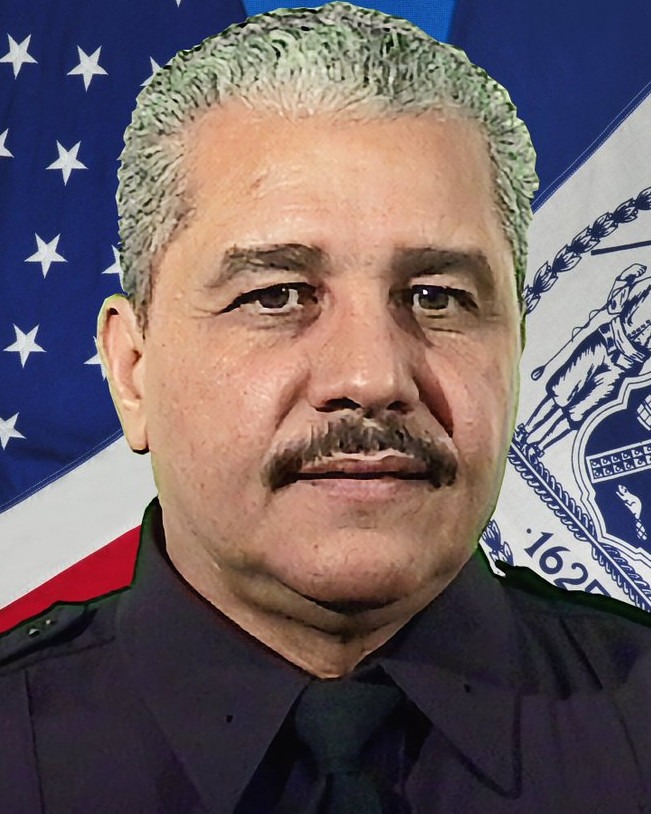
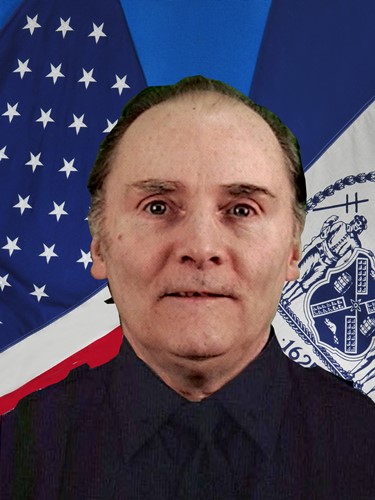
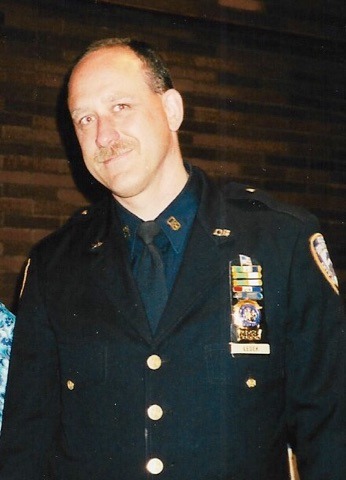
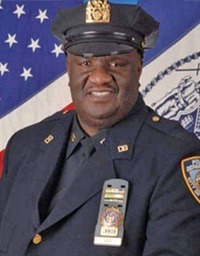
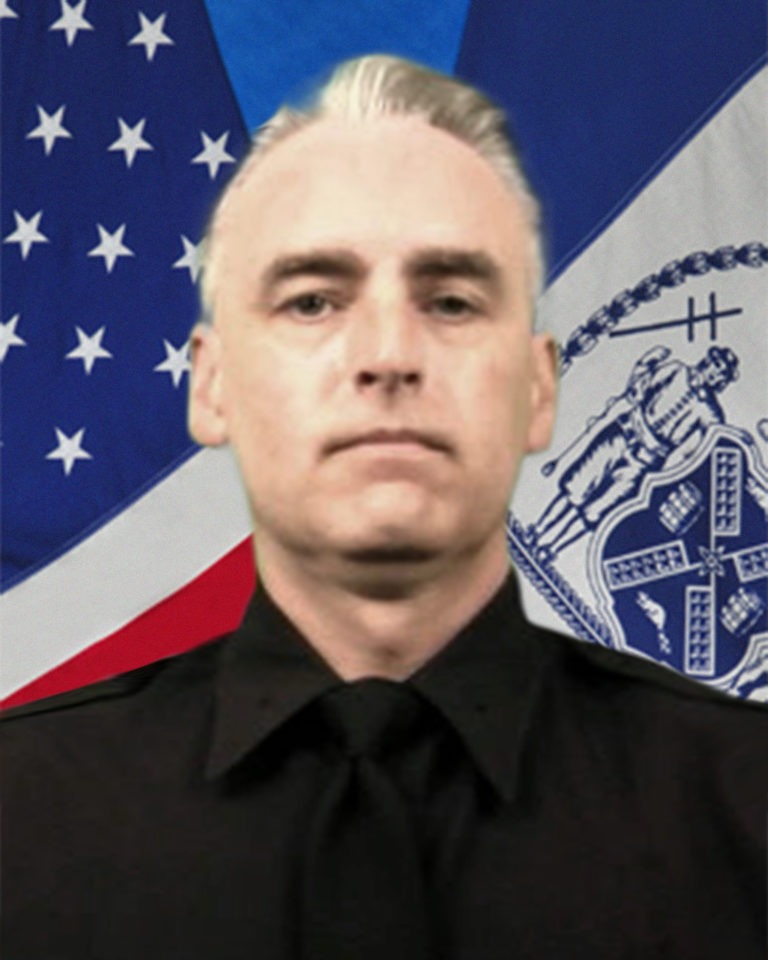
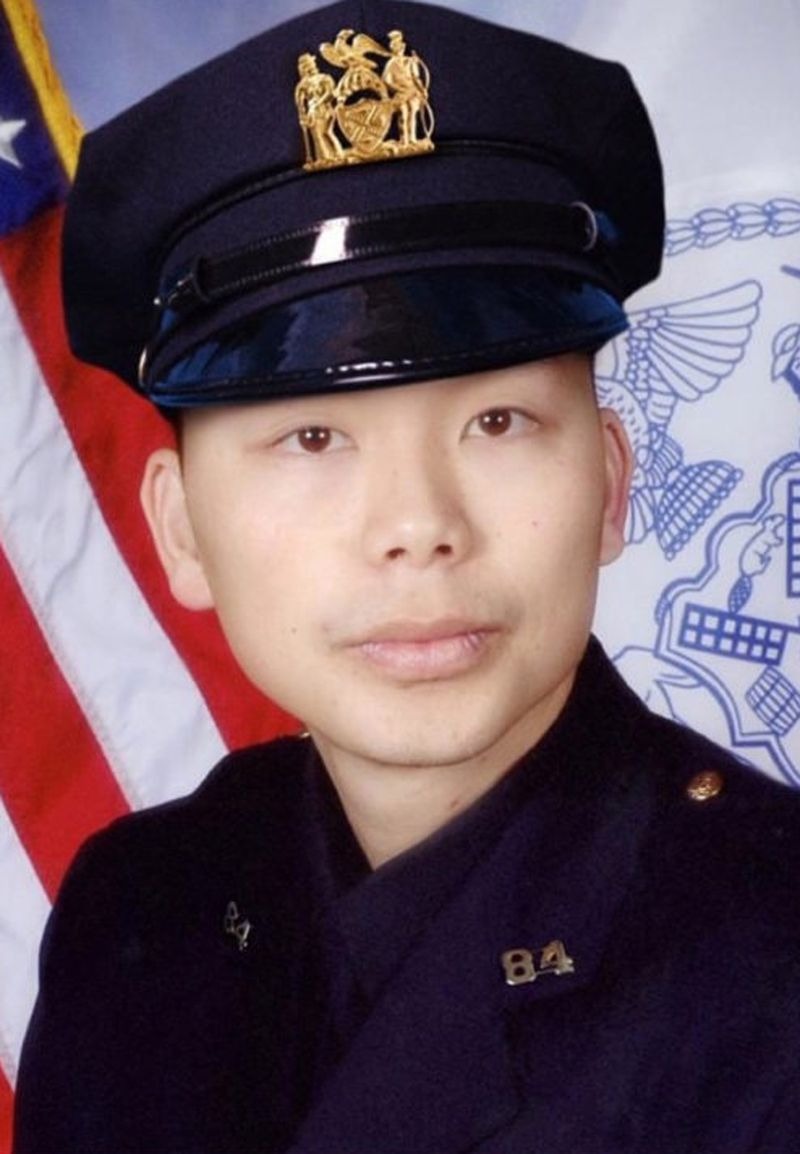
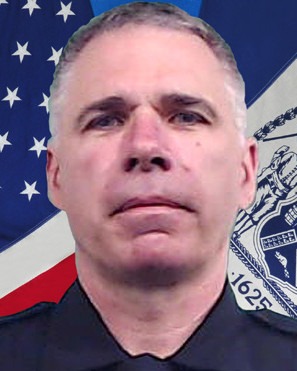
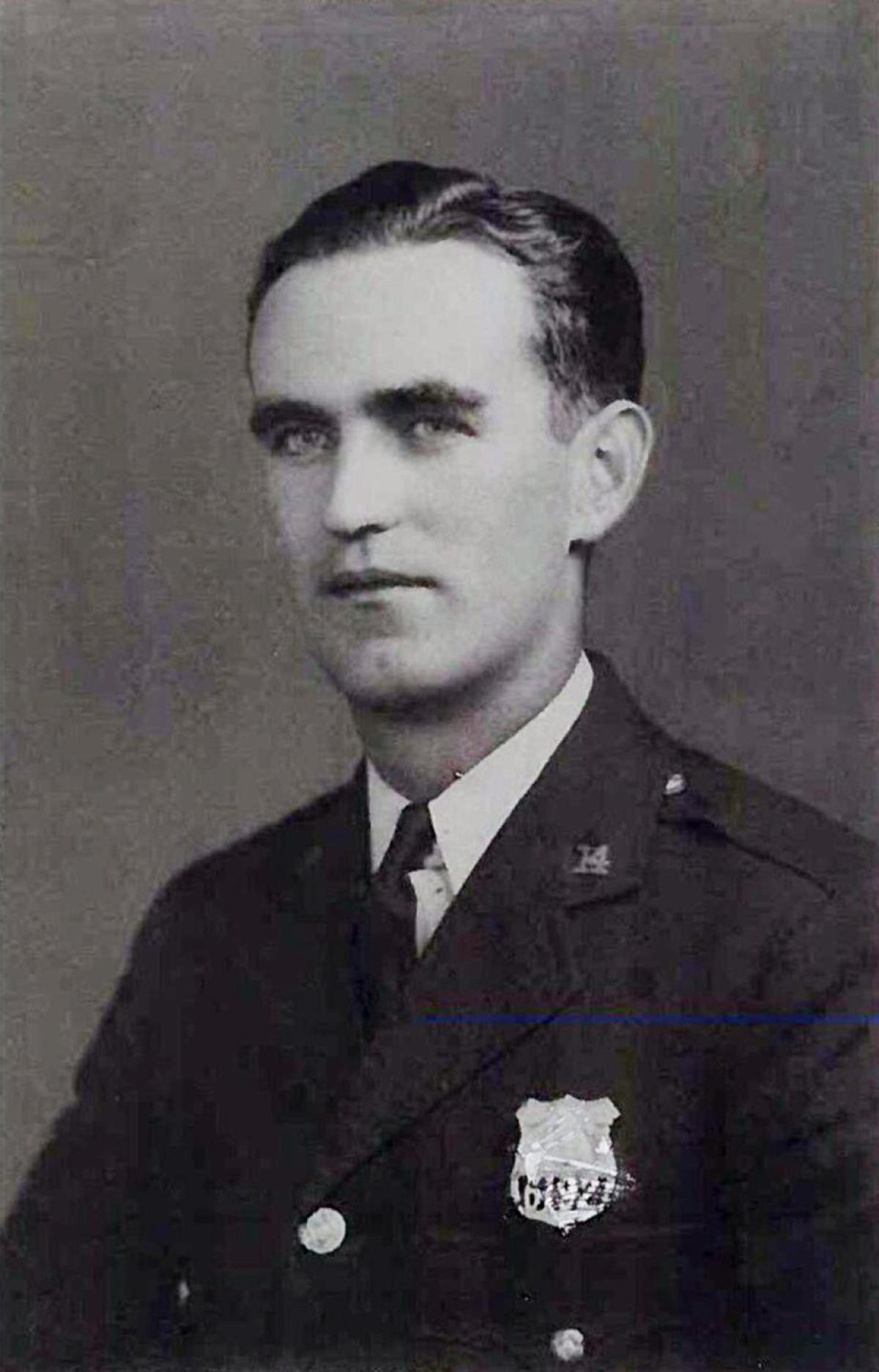
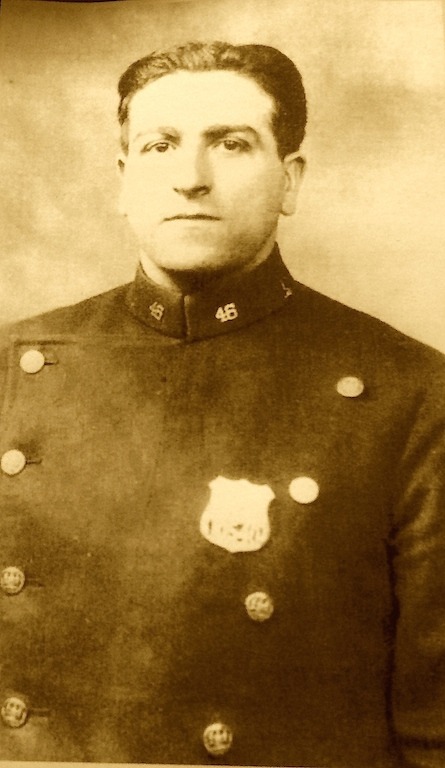
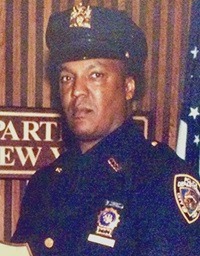
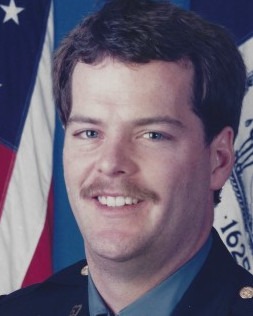
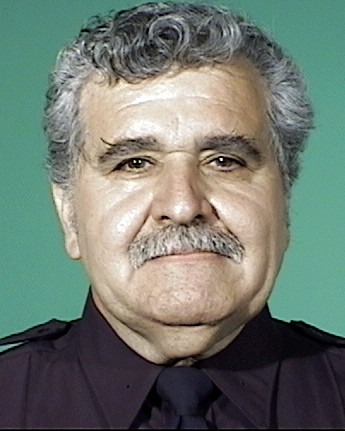
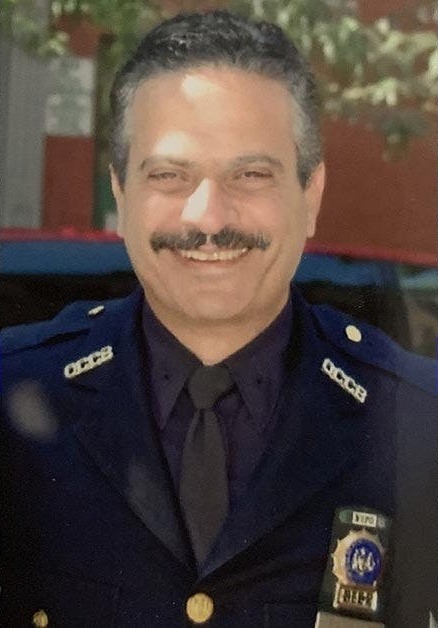
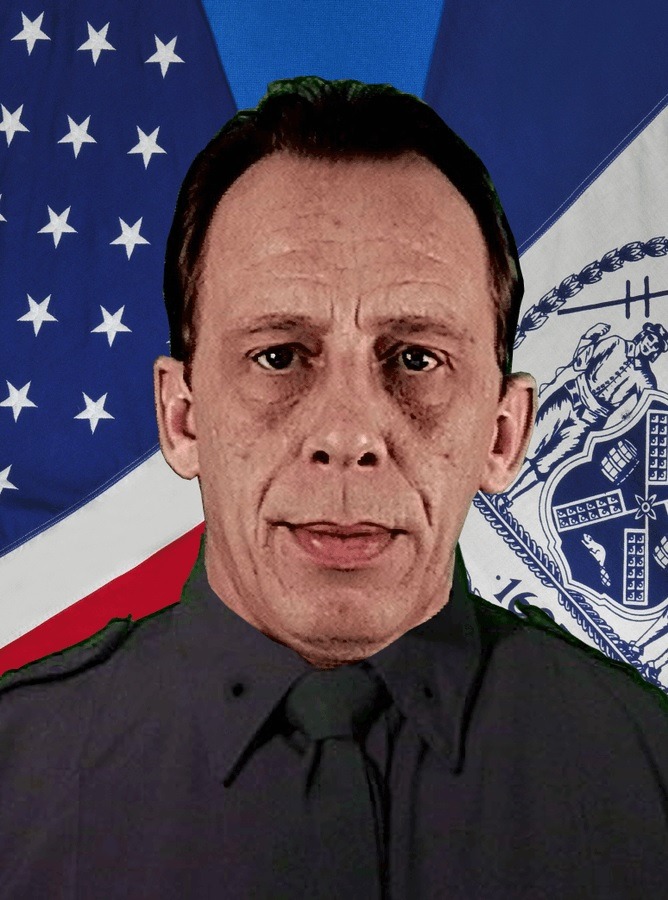
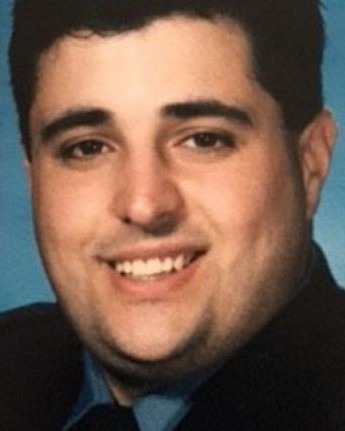
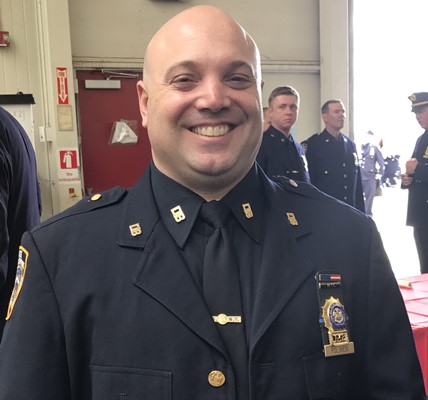
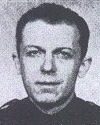
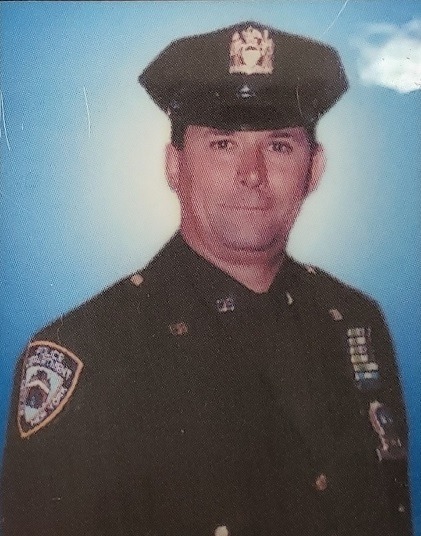
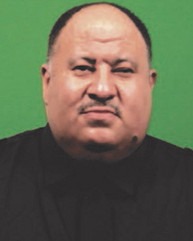
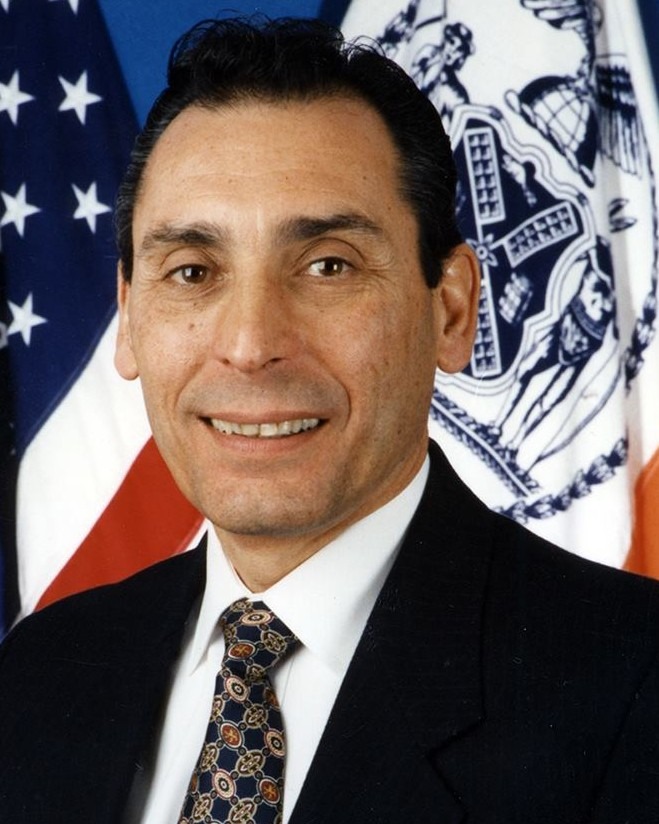
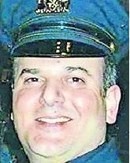
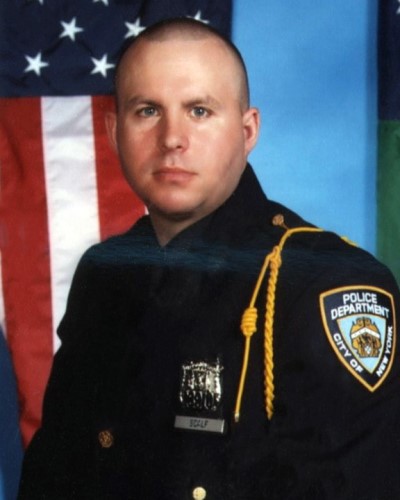
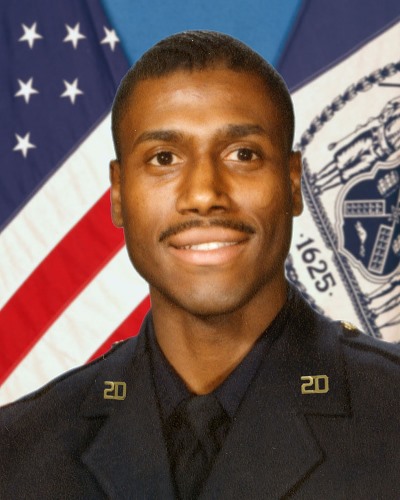
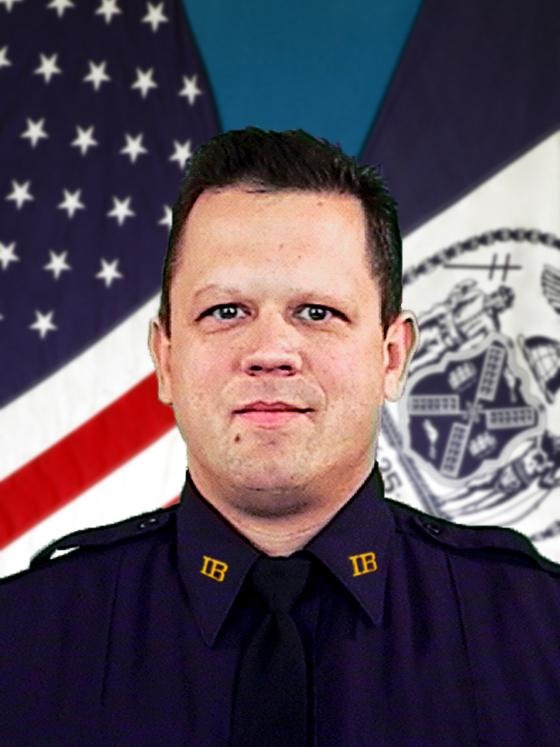
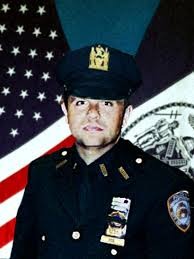
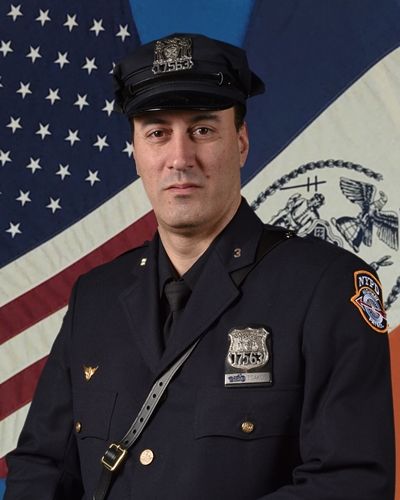
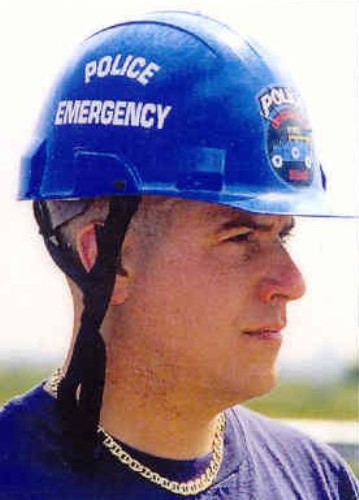
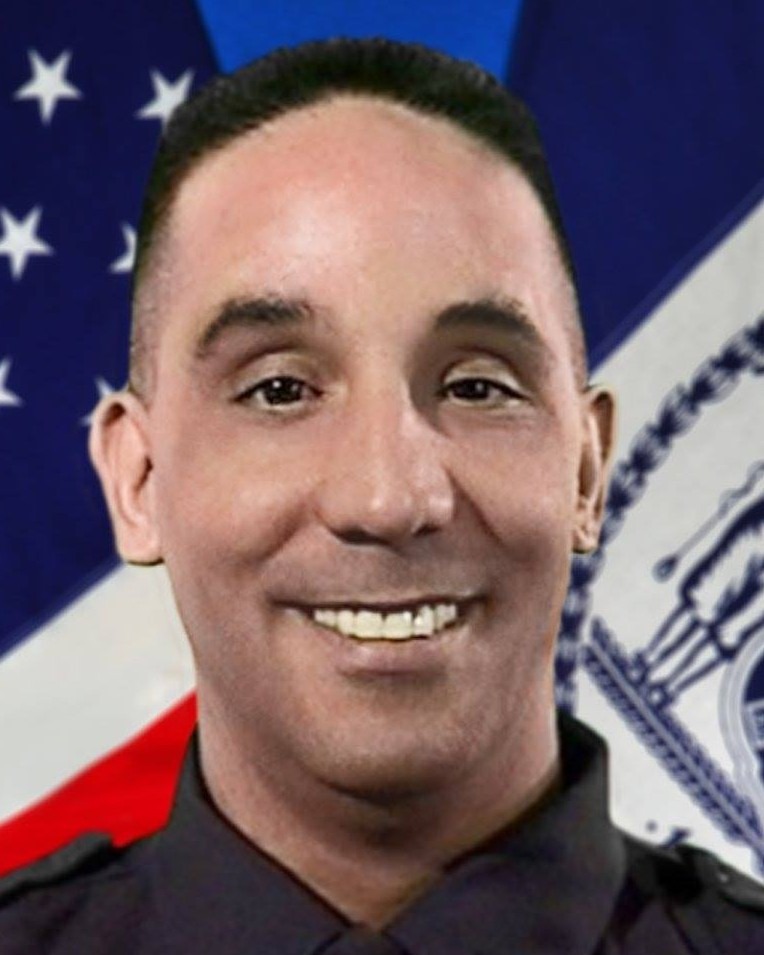
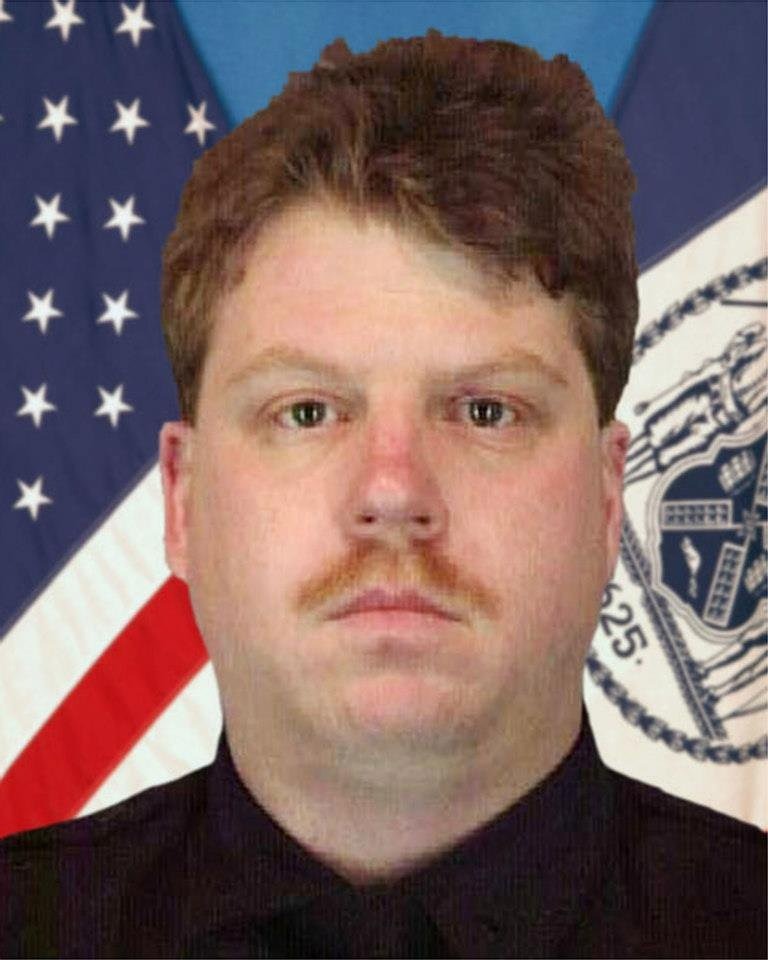
Det. James Zadroga passed away on January 5, 2006, as a result of various respiratory and digestive diseases and disorders developed from his exposure to the remains of the World Trade Center. Zadroga was the first member of the NYPD whose post-9/11 death was directly linked by a medical examiner to the rescue, recovery, and clean-up efforts of the terrorist attacks; and the political bills named in his honor memorialize his family and his union’s fight to honor all of the thousands of public servants who succumbed to disease and death because of their work in the highly toxic rubble. Zadroga grew up in North Arlington, New Jersey where his father was a police chief. He attended Bergen Community College and was appointed to the NYPD January 13, 1992. His first assignment was the 6th Precinct in Manhattan. In early 1997, he transferred to the Street Crime Unit in Queens, where he was promoted to Detective on June 4, 1999. Like thousands of other members of the service, Zadroga was reassigned to 9/11 rescue, recovery, and clean up efforts and logged approximately 500 hours of duty in the World Trade Center rubble. He began having breathing difficulties when he returned to his new command, the 25 Squad, in late December of 2001. He transferred to Manhattan South Homicide in June of 2002, but his medical condition worsened. He retired on a disability November 1, 2004. James’ ailments had already taken an irreversible toll on his wife Ronda, who died the same year from medical issues exacerbated by the family’s stress. As his illnesses progressed, Zadroga was required to use a wheelchair and remain on oxygen around the clock. He moved in with his parents in New Jersey so they could assist with his then-four-year-old daughter who survives him, as does his parents. At the time of his death, James Zadroga was 34 years old. As a result of Zadroga’s death, the DEA and other New York City and State public sector unions representing first responders fought hard for legislation that would protect the health and welfare of those police, firefighters, and others who worked at the WTC and related sites, such as Ground Zero, the Staten Island Landfill, and the Morgue. New York State legislation was drafted and passed to allow for the possibility that after retirement, if a worker became ill or disabled because of their WTC service, their pension could be re-examined and recalculated for a disability pension. Likewise, if that disability led to a post-retirement death, the death might be construed as a line of duty death. The law was previously not equipped to recognize illnesses or deaths as line-of-duty after retirement from City service. The World Trade Center Disability bill and the World Trade Center Death Benefit bill (also known as the Zadroga bills) were signed into law by Gov. George Pataki in 2005 and 2006 respectively, with amendments to the Zadroga bill being finalized and signed into law by Gov. Eliot Spitzer on March 14, 2007. This granted Det. Zadroga’s family full death benefits and finalized Det. James Zadroga’s case as an official NYPD line of duty death. Read more about Det. James Zadroga and the history of the disability and death bills that resulted from his post-death fight for all WTC first responders, an even civilians who live and worked in lower Manhattan, on the DEA’s website Honor Roll.